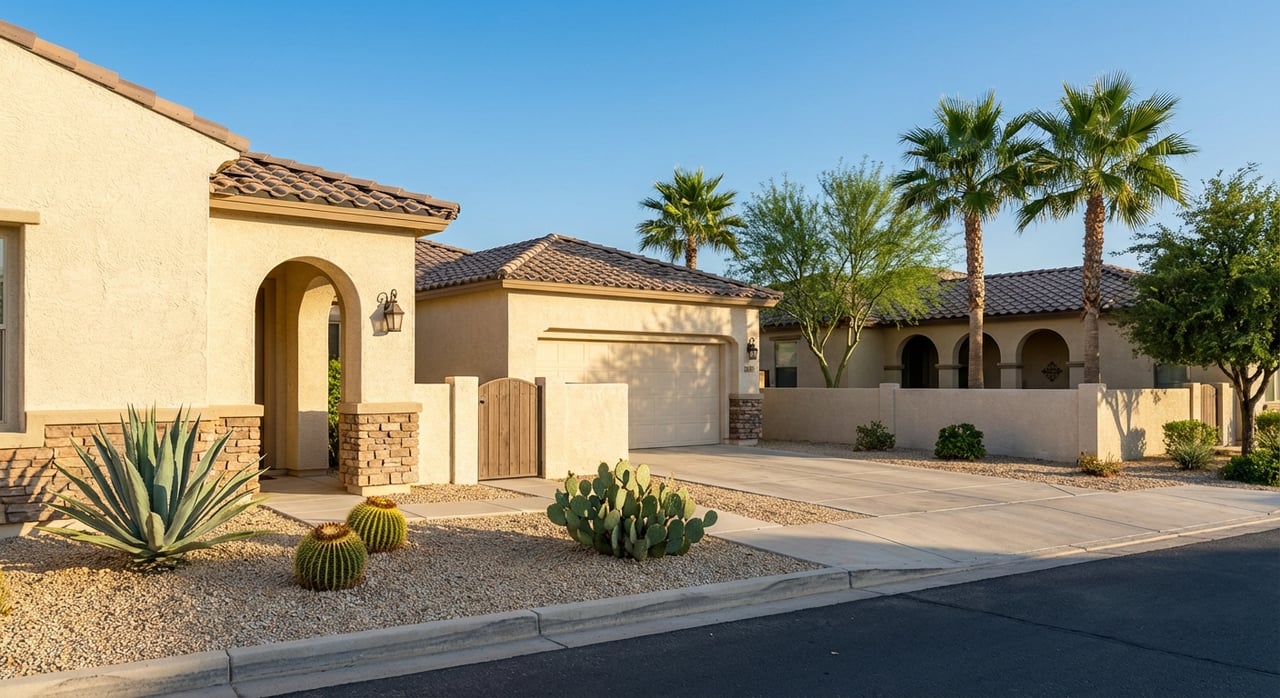
Thinking about making Glendale your home? Maybe you’re following a new job to the West Valley or you want to be closer to the energy at Westgate on weekends. You want a clear picture of daily life, commute patterns, and what different neighborhoods actually cost. This guide gives you practical, up-to-date context on living in Glendale, from parks and employers to housing types and prices so you can move with confidence. Let’s dive in.
Glendale at a glance
Glendale sits in Phoenix’s West Valley with a mix of historic streets, master-planned suburbs, and emerging industrial corridors. The city’s estimated population is about 258,143 as of July 2024, according to U.S. Census QuickFacts. Locals often split free time between two hubs: Westgate’s entertainment scene and the small-town feel of Historic Downtown near Murphy Park and Catlin Court.
Commute rhythms are manageable for most. The mean travel time to work is about 28 minutes, per the same Census QuickFacts snapshot. You’ll see the most traffic on Loop 101, I-17, and the growing Loop 303 corridor.
On housing costs, expect a range by neighborhood and property type. Several trackers placed Glendale’s overall median or typical value roughly between $390,000 and $430,000 in late 2025 to early 2026. For example, Zillow’s Home Value Index was about $399,700 as of January 31, 2026. Citywide rents commonly averaged in the mid $1,400s in 2025 based on rental portal snapshots, with higher figures near amenity hubs and larger units.
Where people work and spend time
Glendale’s economy blends healthcare, logistics and manufacturing, education, and defense-related jobs.
- Healthcare anchors many local roles, with Banner Thunderbird Medical Center and allied medical services drawing professionals to the area.
- Industrial and logistics jobs continue to expand along the Loop 303 and West Valley corridors. A high-profile example is Williams‑Sonoma’s large fulfillment project, projected at roughly 2,400 jobs, highlighted by Business Facilities.
- In January 2025, Nestlé opened a major coffee‑creamer plant in Glendale, bringing hundreds of jobs, as covered by Axios Phoenix.
- Luke Air Force Base, on Glendale’s western edge, is a significant economic engine for the region, with substantial direct and indirect employment, according to AZ Big Media’s regional overview.
On the leisure side, locals gravitate to two distinct areas:
- Westgate Entertainment District for dining, sports bars, a movie theater, and frequent events next to State Farm Stadium and Desert Diamond Arena.
- Historic Downtown Glendale for a relaxed pace, boutique shops, and seasonal festivals in and around Murphy Park.
Getting around Glendale
Most residents commute by car. The average one-way commute is about 28 minutes, per U.S. Census QuickFacts. Commuters rely on Loop 101 for east-west connections, I-17 for north-south links, and Loop 303 for West Valley industrial and newer subdivisions.
Public transit coverage includes Valley Metro bus routes and municipal circulators, along with some peak commuter and park-and-ride options. Glendale’s core is not served by light rail, so most daily trips still rely on personal vehicles. If you live near major corridors or park-and-ride lots, you can integrate bus service into your routine for certain commutes.
Event-day tip: Traffic near State Farm Stadium and Desert Diamond Arena can spike significantly during NFL games and concerts. On those days, plan extra time or choose back-road routes away from Westgate.
Parks, trails, and everyday amenities
Living in Glendale means quick access to desert preserves, historic parks, and community events.
- Thunderbird Conservation Park offers roughly 15 miles of desert trails across 1,185 acres. It’s popular for sunrise and sunset hikes and sweeping West Valley views.
- Historic Sahuaro Ranch Park features restored ranch buildings, a rose garden, sports fields, and shaded ramadas. It’s a local landmark where many community events take place.
- City parks, recreation centers, and seasonal festivals provide year-round programming. Explore the city’s broader parks and recreation resources to see what is close to your future home.
Housing options and price bands
Glendale offers a full spectrum of housing types. Here’s what you can expect to find and pay, based on 2024–2026 reporting windows from established market trackers. Exact figures shift month to month, so use these as direction with provider dates when noted.
Historic and central neighborhoods
Close to Historic Downtown, you’ll find older bungalows and ranch homes on smaller lots. These areas appeal to buyers who like character, mature landscaping, and shorter city commutes. Prices vary by condition and lot size, and many options can sit below citywide medians.
Master-planned north Glendale and Arrowhead Ranch
Arrowhead Ranch and nearby phases deliver larger single-family homes, HOA-maintained streetscapes, lake and golf amenities, and a suburban setting. Pricing stretches from mid-range to higher-end for lakefront or golffront homes. HOA dues vary by subdivision and affect your monthly budget.
Newer builds near Loop 303
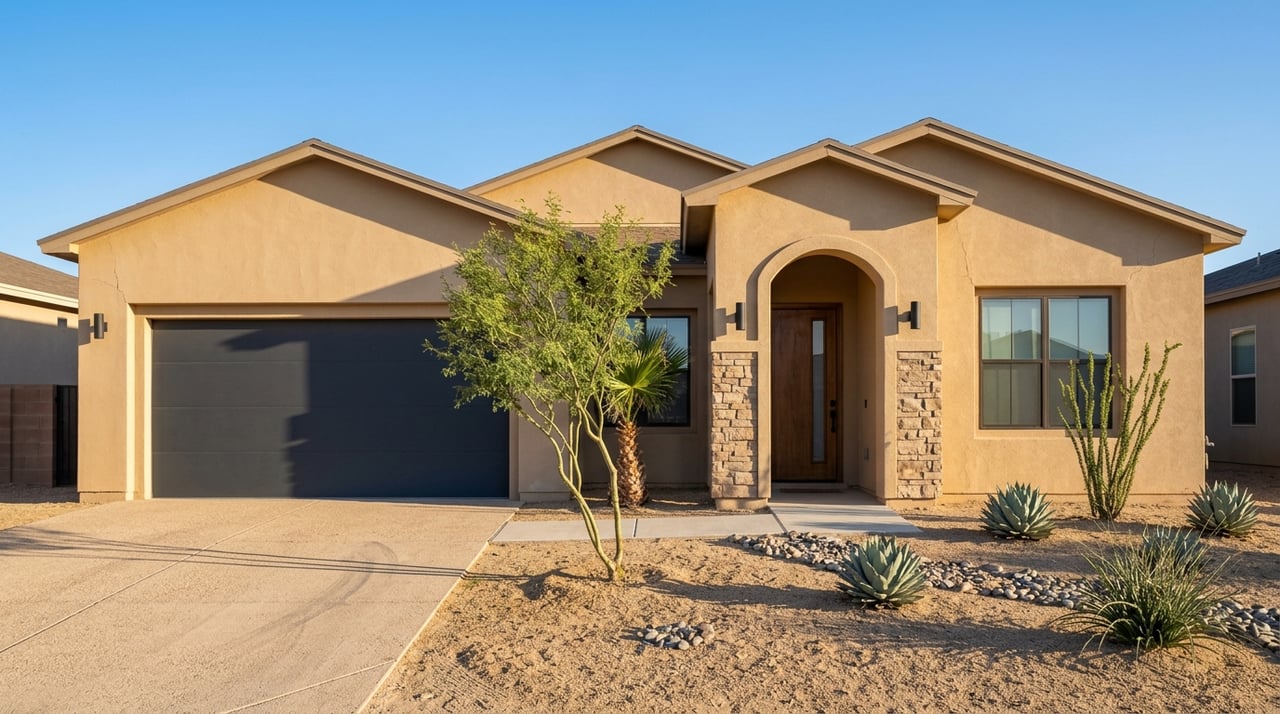
Western Glendale and nearby pockets along Loop 303 feature newer single-family tracts and ongoing construction. These areas often draw buyers working in logistics and manufacturing who want a short drive to work.
Condos, townhomes, and apartments
Attached options cluster around retail and entertainment nodes, including areas near Westgate and central corridors. These can be a good fit if you want lower maintenance and proximity to dining and events.
What homes and rentals cost today
- Citywide values: Several trackers show Glendale’s overall median or typical value roughly between $390,000 and $430,000 in late 2025 to early 2026. As one example, Zillow’s Home Value Index estimated about $399,700 as of January 31, 2026. Other trackers placed median sold prices in the low-to-mid $400,000s during parts of 2025. Methods and time frames differ, which explains small gaps.
- Neighborhood variation: Neighborhood medians can swing widely, from entry-level pockets into higher-priced areas around Arrowhead and north Glendale. Lot size, age, and amenities make a big difference.
- Entry-level options: Smaller condos or townhomes and older single-family homes can often be found below the city median, with many starter options ranging from about $200,000 to $350,000 depending on condition and exact location.
- Rentals: Citywide averages were commonly in the mid $1,400s in 2025 across rental snapshots, with many units near Westgate or Arrowhead running higher and more budget-friendly pockets running lower. Unit size and amenities will drive monthly costs.
Always confirm HOA dues, property taxes, and utility expectations for any target property. These line items can shift your total monthly payment more than you think.
Neighborhood matchmaker
Use this quick guide to align lifestyle priorities with areas of Glendale. These are starting points for your search rather than hard boundaries.
- Shorter city commutes: Central Glendale and established neighborhoods closer to Loop 101 and I-17 help reduce time on the road for many in-city jobs.
- Amenity-focused suburbia: Arrowhead Ranch and nearby north Glendale communities offer HOA streetscapes, lake and golf amenities, and a wide range of single-family homes.
- Newer homes and value: Pockets along the Loop 303 corridor and western Glendale feature newer tracts that can deliver more home for the money compared with some older, central neighborhoods.
- Walkable entertainment: Neighborhoods near Westgate’s dining and events appeal if you want to be minutes from games, concerts, and restaurants.
- Lower-maintenance living: Condo and townhome communities near retail nodes and central corridors reduce upkeep and keep you close to services.
If school proximity matters to you, note that Glendale addresses feed into multiple K–12 districts depending on location, and Glendale Community College serves local higher education. Check official district boundary maps for a specific address and program details.
A day in the life
Here are a few real-world snapshots to help you picture daily routines in Glendale.
- Healthcare pro on the go: You live in north Glendale for easy freeway access. Before a shift at Banner Thunderbird Medical Center, you grab coffee, then hit grocery stores and casual dining nearby for an efficient after-work run.
- Logistics shift near Loop 303: You choose a newer subdivision in western Glendale to stay close to a distribution or manufacturing campus. Evening walks double as neighborhood scouting for future upgrades, and weekend errands stay within a short drive.
- Night-out regular: You rent a townhome near Westgate, streamlining your commute via Loop 101. After work, you can catch a concert at Desert Diamond Arena or meet friends for dinner without crossing the Valley.
Buyer and renter checklist
Use this short list to narrow choices and compare homes apples-to-apples.
- Commute mapping: Test-drive your route during typical rush hour and on event nights around the stadiums.
- HOA details: Confirm fees, covered services, design guidelines, and rental rules if you plan to lease later.
- Monthly costs: Run taxes, insurance, utilities, and HOA dues against your budget, not just principal and interest.
- Home age and upkeep: For older homes, review roof, HVAC, and plumbing ages. For newer builds, ask about builder warranties and energy features.
- Outdoor life: If trails and parks matter, plot distance to Thunderbird Conservation Park, Sahuaro Ranch Park, and your nearest community center.
- Event-day plan: If you live near Westgate, understand game-day parking rules and typical traffic windows so you can plan around them.
How Russell Harris can help
Choosing the right Glendale home is easier with a steady local advisor. With 20+ years in the West Valley, Russell offers hands-on guidance for relocators and first-time buyers, clear pricing and marketing for sellers, and targeted insights for investors. If you are navigating a probate or estate sale, you get step-by-step coordination with the legal process and careful communication from start to finish.
Whether you want a quiet street near Thunderbird Conservation Park, a lakeside home in Arrowhead, or a newer build close to Loop 303 jobs, you will get straight answers, responsive service, and a plan that fits your timeline.
Ready to explore Glendale? Start a conversation with Russell Harris today.
FAQs
What is the average Glendale commute time?
- The mean one-way commute is about 28 minutes, based on recent U.S. Census QuickFacts data.
How much do Glendale homes typically cost?
- Several trackers placed Glendale’s overall median or typical value roughly between $390,000 and $430,000 in late 2025 to early 2026, with monthly updates by provider.
Are Glendale rents affordable compared to nearby cities?
- Citywide averages were commonly in the mid $1,400s in 2025 across rental snapshots, with higher prices near amenity hubs and larger units.
Which Glendale areas have master-planned amenities?
- North Glendale communities, including Arrowhead Ranch, often feature HOAs, lake or golf access, and a wide range of single-family homes.
What Glendale amenities stand out for outdoor time?
- Thunderbird Conservation Park for desert trails and Sahuaro Ranch Park for historic grounds and open space are two of the city’s signature outdoor spots.