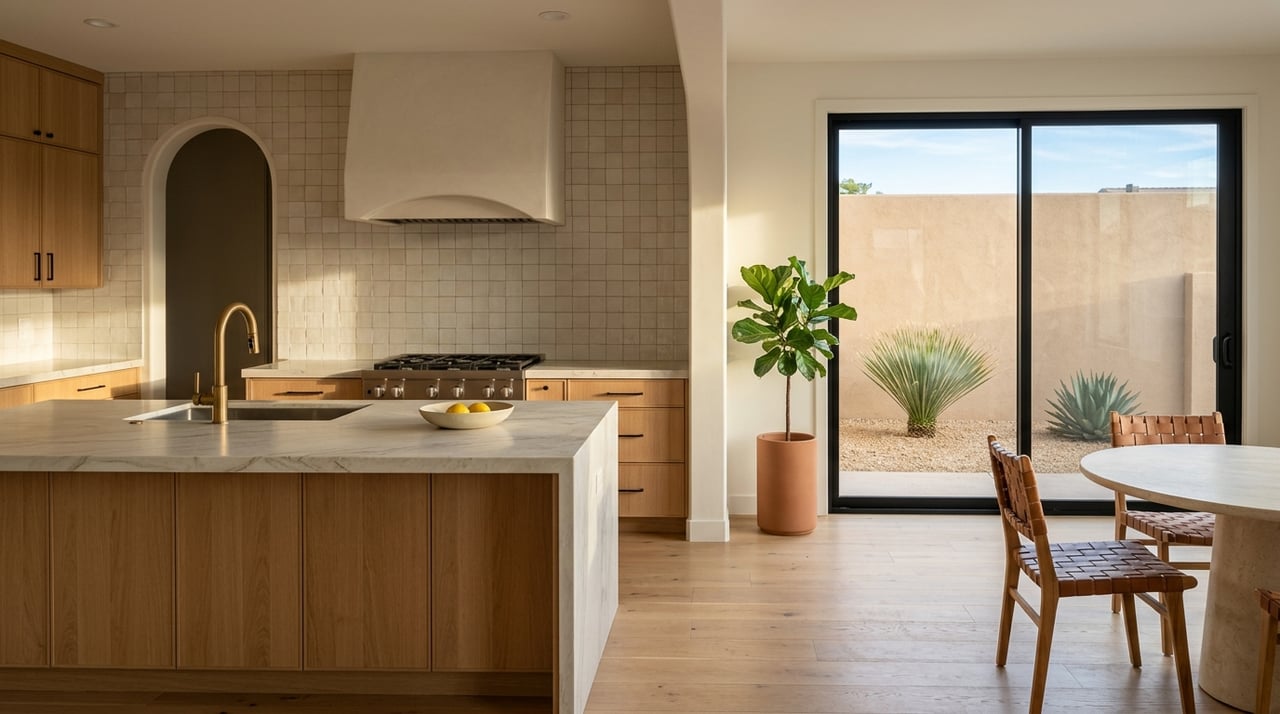
If you invest in the West Valley, Scottsdale can feel like a different planet. Prices are much higher, deal math works differently, and the buyers and renters you are trying to attract often expect a more polished product. The good news is that Scottsdale is not a one-size-fits-all market, and if you understand the tiers, timing, and strategy, you can decide where it fits in your portfolio. Let’s dive in.
Scottsdale Market Snapshot
Scottsdale remains a premium-priced market by almost any measure. Current citywide data shows a median listing price near $999,999, while a recent median sale price was about $954,000. Homes are also taking a bit longer to move, with a median of 69 days on market, and sellers have been getting about 2.48% below asking on average.
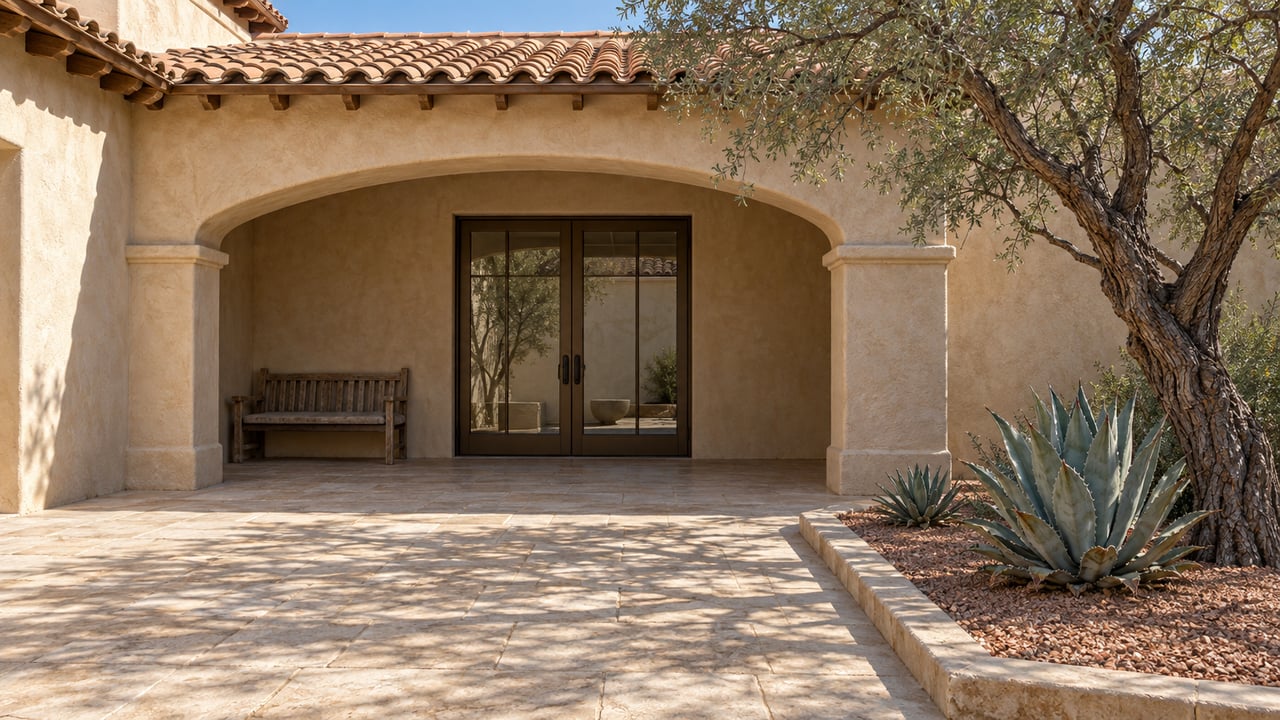
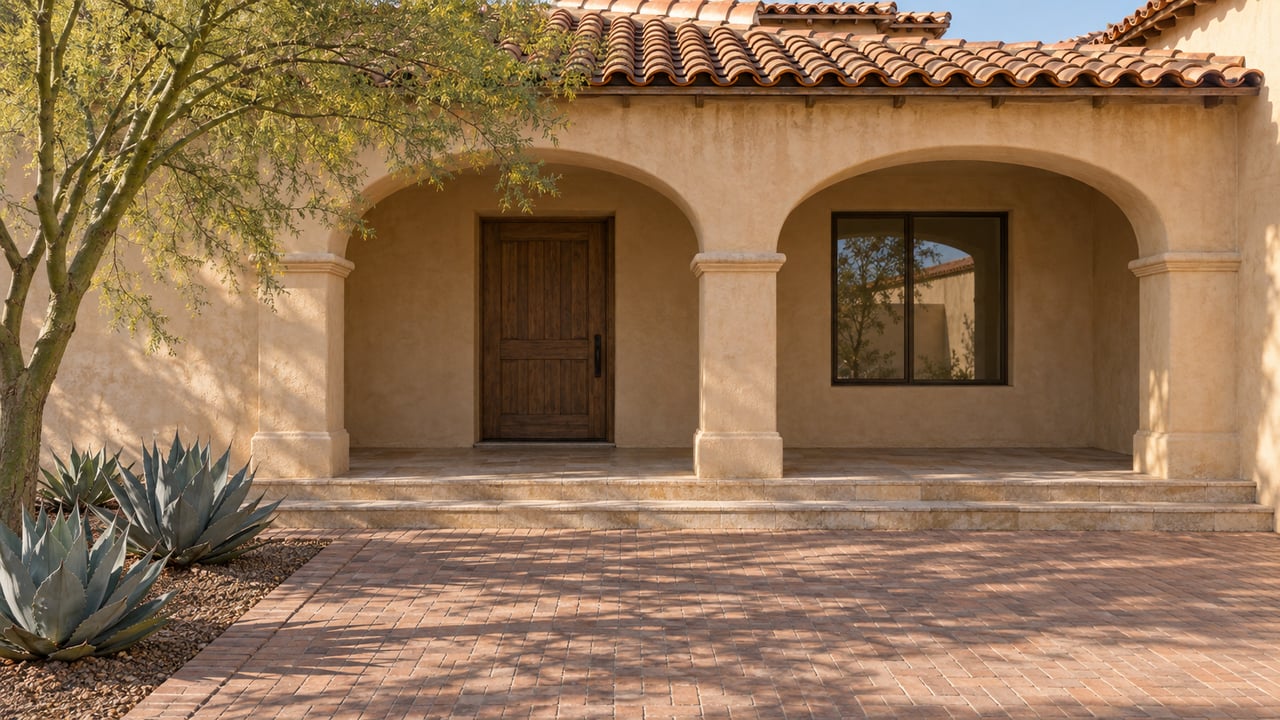
That matters because Scottsdale is not just expensive, it is selective. You are often buying into a market where presentation, finish quality, and location details can have a bigger impact on demand than in a more price-driven area.
Scottsdale Has Real Entry Tiers
One of the biggest mistakes investors make is treating Scottsdale like one giant luxury bucket. In reality, there is a clear ladder of entry points depending on the type of property you want to buy.
Current data shows about 494 condos for sale at a median listing price of $375,000 and 423 townhouses for sale at a median listing price of $610,000. The City of Scottsdale’s housing assessment also reported 2024 median values of $617,000 for townhomes and $1.125 million for single-family homes.
That gives you a practical way to think about the market:
- Condos offer the lowest entry point
- Townhomes sit in the middle tier
- Detached homes require the highest basis
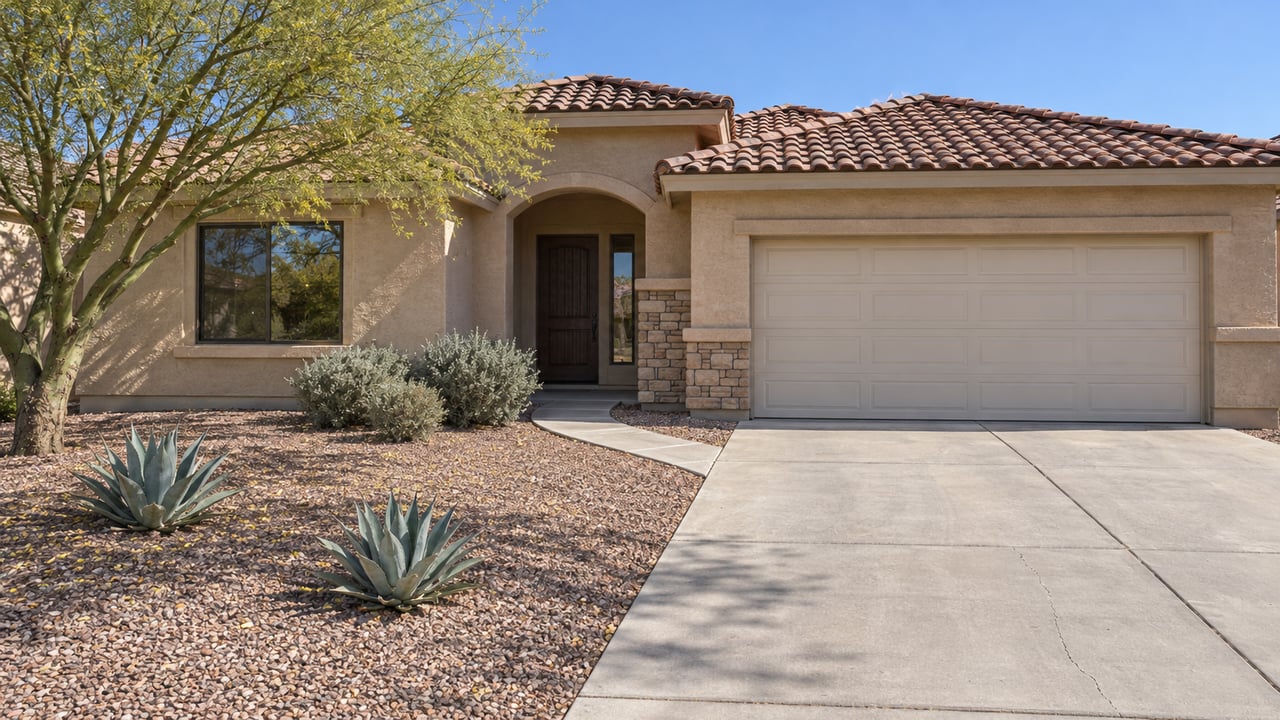
For many investors coming from Glendale, Peoria, or Goodyear, that tiered view is useful. It shows that Scottsdale may still be accessible, but usually through a condo or townhome before you move into detached-home pricing.
Why Scottsdale Still Rents Well
Scottsdale is not only a resale market. It also has real rental demand, supported by tourism, local employment, and a large professional-services base.
The city’s 2024 visitor report estimated 11.67 million total visitors. That included 4.9 million domestic overnight visitors, 1.7 million international overnight visitors, and 5.1 million day-trip visitors. Those visitors generated $3.7 billion in annual economic impact and supported more than 36,000 local jobs in hospitality and related industries.
That tourism base helps explain why rental demand can stay broad across different property types. It is also worth noting that domestic overnight visitors stayed an average of 2.9 nights, and about 79% stayed in resorts, hotels, or motels instead of private accommodations. That means visitor demand is meaningful, but it does not automatically translate into easy short-term rental wins for every property.
Beyond tourism, Scottsdale has a strong employment cluster around the airport and Airpark area. The city describes that area as home to more than 85 major companies and nearly 59,000 employees. For you as an investor, that helps support demand for condos, townhomes, and smaller single-family rentals in well-located parts of the city.
Realtor.com also shows about 3,615 rentals in Scottsdale, with a median rent of $2,330. So yes, Scottsdale is a real rental market. The challenge is that rents do not always rise enough to offset the higher purchase price the way they often do in the West Valley.
Scottsdale vs West Valley Math
If you are comparing Scottsdale with West Valley cities, the difference becomes clear fast. Scottsdale’s median listing price is $999,999 with median rent of $2,330. By comparison, Glendale is $449,900 with median rent of $1,449, Peoria is $535,450 with median rent of $1,799, and Goodyear is $490,000 with median rent of $1,855.
A rough gross rent-to-price comparison highlights the gap:
| Market | Median Listing Price | Median Rent | Rough Gross Rent-to-Price |
|---|---|---|---|
| Scottsdale | $999,999 | $2,330 | 2.8% |
| Glendale | $449,900 | $1,449 | 3.9% |
| Peoria | $535,450 | $1,799 | 4.0% |
| Goodyear | $490,000 | $1,855 | 4.5% |
This is a rough comparison, not a full underwriting model. Still, it helps explain why Scottsdale often looks more like an appreciation and positioning play, while the West Valley more often looks like a cash-flow and lower-entry play.
What That Means for Investors
If your main goal is monthly spread, Scottsdale is usually not the first market you target. The higher basis can make cash flow thinner, especially when you compare it with West Valley options.
If your goal is premium location, stronger image, and a different type of renter or resale buyer, Scottsdale can make more sense. That is especially true if you are comfortable with a condo or townhome strategy and you are willing to be disciplined about acquisition and finish level.
Market Pace Is Different Too
Scottsdale also moves at a different speed. Median days on market are about 69 in Scottsdale, compared with roughly 55 days in Glendale, 55 days in Goodyear, and 53 days in Peoria.
That slower pace does not mean weak demand. It suggests a more selective market where buyers and renters can be more sensitive to condition, design, pricing, and overall presentation.
For West Valley investors, this is an important mindset shift. In Scottsdale, getting the details right is often part of the investment strategy, not just a finishing touch.
Design Quality Matters More in Scottsdale
Scottsdale is a market where design and finish quality carry real weight. The city’s Old Town Scottsdale Character Area Plan and published design guidance show that growth and redevelopment are shaped with appearance and context in mind, especially in and around more image-sensitive areas.
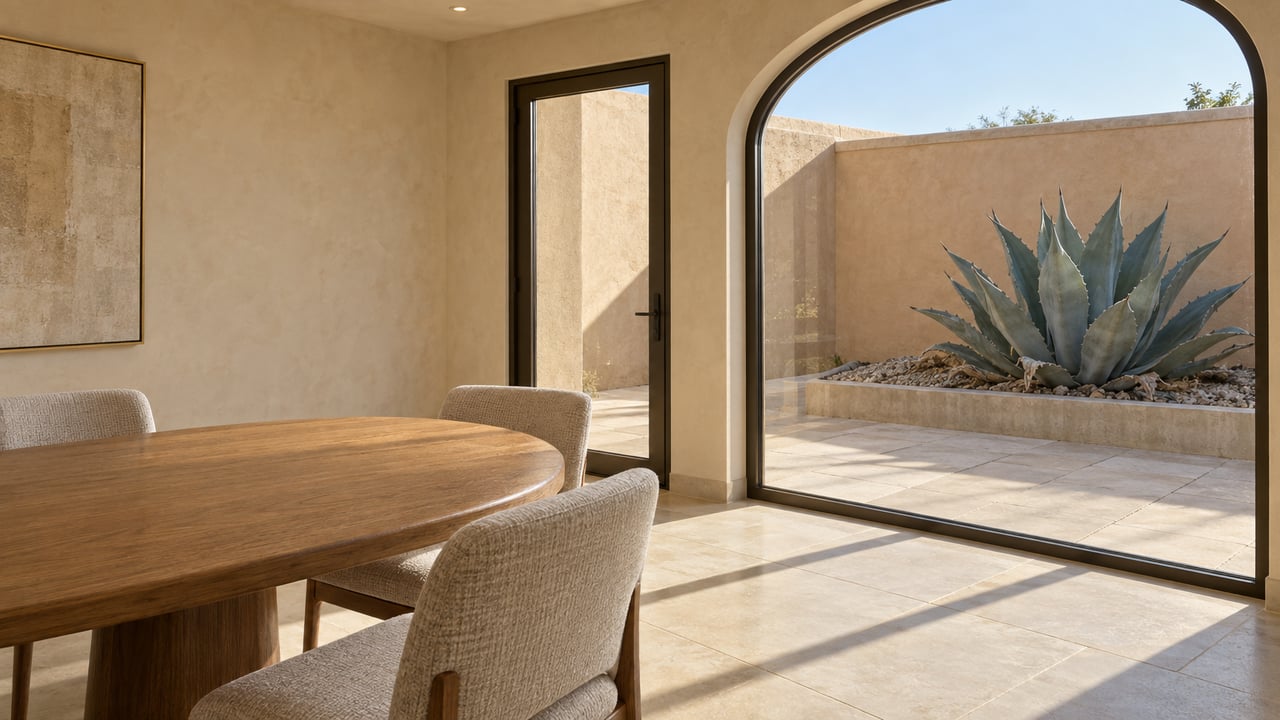
For you, that means a generic renovation may not stand out. If you are flipping a property or trying to position it as a higher-end rental, cohesive design choices can make a noticeable difference in response.
National resale research supports that point. In 2025, 83% of buyers’ agents in the NAR home staging profile said staging makes it easier for buyers to visualize a home as their future home. NAR’s remodeling report also notes that practical prep work like painting and roof work is commonly recommended before listing.
The local takeaway is simple. In Scottsdale, polished presentation is often part of the return equation.
Short-Term Rentals Can Work, With Rules
Scottsdale can support a short-term rental strategy, but it is more process-driven than some investors expect. The city requires an annual short-term or vacation rental license for each property.
Owners also need:
- An Arizona TPT license
- Neighbor notification
- Liability insurance of at least $500,000
- Payment of the city’s $250 annual license fee per property
Arizona law does not allow cities to ban short-term rentals outright, but cities can regulate them for health, safety, nuisance, and similar issues. That means the opportunity is there, but only if you are prepared to follow the local process carefully.
Best Scottsdale Strategies for West Valley Investors
For many West Valley investors, Scottsdale fits best when the plan is clear from day one. Rather than forcing West Valley expectations onto a different market, it helps to match the asset to the reason you are buying it.
Here are the strategies that tend to make the most sense based on current market conditions:
Condo Entry Strategy
If you want Scottsdale exposure with a lower basis, condos are the clearest starting point. With a median listing price around $375,000, they offer the lowest current entry tier in the city.
This approach can work well if your goal is to enter Scottsdale without taking on detached-home pricing. It also gives you a way to test the market’s rental or resale demand with less capital tied up.
Townhome Middle-Tier Strategy
Townhomes offer a middle path between condos and detached homes. Current listing data places them around $610,000, and the city’s housing assessment identifies townhomes as the most accessible ownership category among the housing types it tracks.
For investors, this can be an appealing balance. You get a more substantial asset than a condo, but you still avoid the much higher single-family basis.
Premium Resale Positioning
If you are targeting appreciation or resale, Scottsdale can be a strong fit when the property is well-located and thoughtfully improved. This is where design, staging, and finish consistency become especially important.
In a market where homes are taking about 69 days to sell and often closing below ask, your edge may come from better presentation and smarter positioning rather than from simply listing and waiting.
Visitor-Driven Rental Strategy
Scottsdale’s tourism numbers make this a market worth watching for visitor-oriented rentals. But because most overnight visitors still stay in hotels and resorts, success is not automatic.
This strategy tends to work best when you buy with compliance, location, and guest appeal in mind from the start. If you skip those details, the market can be much less forgiving.
The Bottom Line
Scottsdale can absolutely belong in a West Valley investor’s playbook, but usually for different reasons than Glendale, Peoria, or Goodyear. The West Valley often wins on lower basis and stronger gross-yield math. Scottsdale tends to win on premium positioning, condo and townhome entry options, and a broader appreciation or visitor-driven strategy.
The key is knowing what kind of investment you want before you buy. When your acquisition strategy matches Scottsdale’s pricing, pace, and presentation standards, the market can offer a very different kind of opportunity.
If you want help comparing Scottsdale opportunities with West Valley investment options, or you need a local advisor who can help you evaluate flips, buy-and-hold properties, or probate-related inventory, connect with Russell Harris.
FAQs
Is Scottsdale a good cash-flow market for West Valley investors?
- Usually not when compared with Glendale, Peoria, or Goodyear, because Scottsdale’s current rent-to-price math is materially lower.
What is the lowest entry point for investing in Scottsdale real estate?
- Condos are the lowest current entry tier in Scottsdale, with a median listing price around $375,000.
Are townhomes a practical Scottsdale investment option?
- Yes. Townhomes sit between condos and detached homes on price, and the city’s housing assessment identifies them as the most accessible ownership category it tracks.
Can you use a Scottsdale property as a short-term rental?
- Yes, but each property needs a city short-term rental license, an Arizona TPT license, neighbor notification, at least $500,000 in liability insurance, and payment of the $250 annual city license fee.
Why does design matter more in Scottsdale investment property sales?
- Scottsdale is a more design-sensitive market, and both city planning guidance and national staging research support the value of strong presentation and cohesive updates.
How does Scottsdale compare with Peoria or Goodyear for investors?
- Scottsdale usually offers a higher entry price and lower rough gross yield, while Peoria and Goodyear often offer lower basis and stronger cash-flow-oriented math.