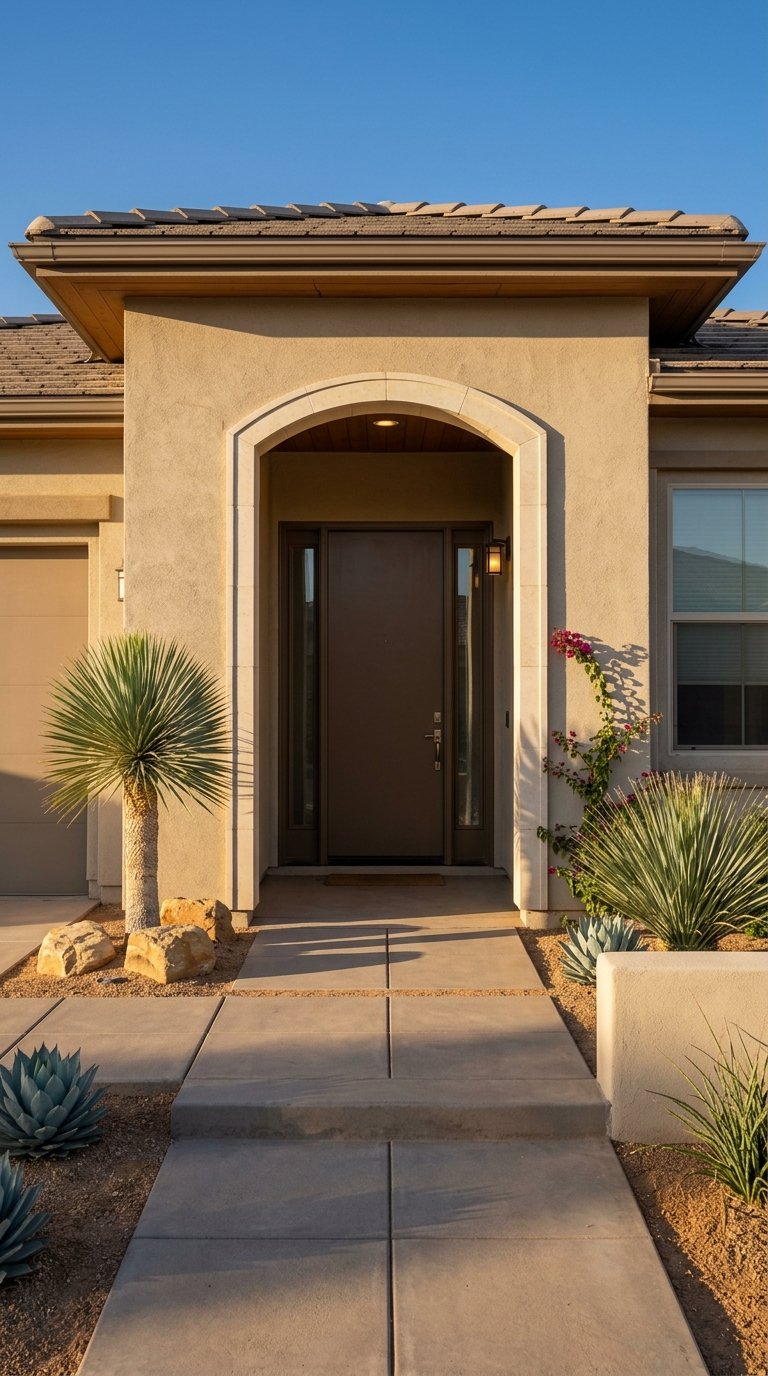
If you are preparing a Sun City Grand home for an estate sale, you are likely balancing paperwork, family decisions, and the practical work of getting a property ready for market. That can feel heavy, especially when the home holds years of memories and important records. The good news is that a clear plan can help you protect the estate, simplify decisions, and present the home in a way that makes sense for today’s buyers. Let’s walk through the steps that matter most.
Start With Authority and Timeline
Before you sort belongings or schedule cleaners, confirm who has the legal authority to act for the estate. In Arizona, that is usually the personal representative, and in supervised administration some actions, including real property sales, may require court approval and court confirmation.
That first step matters because it shapes every decision that follows. It helps you avoid conflicts, keeps the process organized, and makes it easier to set realistic expectations for family members, vendors, and buyers.
Arizona also requires the personal representative to prepare an inventory within 90 days after appointment. That inventory must list estate property with reasonable detail, include date-of-death fair market value, and note whether property is community or separate property, along with any encumbrances.
For many families, that means the home sale timeline should begin with records and title questions, not décor updates. If the property may pass through probate, a small-estate process, trust administration, or another title path, it is smart to confirm that early.
Secure Documents Before Opening the Home
One of the most important early tasks is protecting the estate’s paperwork and valuables. Arizona law gives the personal representative the right to take possession or control of estate property when needed for administration and requires steps to protect and preserve it.
In practical terms, gather and secure key items before cleaners, stagers, relatives, or estate-sale vendors start moving through the property. That usually includes deeds, account records, titles, family documents, medications, jewelry, artwork, antiques, and anything else that may need to be documented for the estate.
A simple system can make this easier:
- Collect important documents in one secure location
- Separate valuables from everyday household items
- Photograph or video personal property for estate records
- Keep a running list of items that may need family review
- Limit access until authority and inventory questions are clear
This step protects both the estate and your peace of mind. It also helps reduce the risk of misplaced items during an already stressful time.
Sort Belongings With a Clear System
Once authority is clear and records are secured, the next goal is to sort the home in a structured way. A practical estate-sale workflow is to separate items into keep, sell, donate, and discard.
That sounds simple, but the real value is consistency. When everyone uses the same categories, decisions move faster and it becomes easier to track what belongs in the inventory, what may need family approval, and what can leave the home before listing.
Arizona probate guidance recommends photographing or videotaping personal property and keeping records that support estate administration. That can be especially helpful if multiple relatives are involved or if some family members are out of state.
If decisions are still pending, create one secure holding area. A locked bedroom, one garage bay, or off-site storage can keep undecided items protected while allowing the rest of the home to be cleaned, staged, and photographed.
Focus on Decluttering, Not Perfection
A Sun City Grand estate home does not have to be completely empty before it goes on the market. In many cases, it simply needs to feel easy to understand.
Buyers often respond best when rooms are clean, open, and neutral enough to picture daily life there. Staging research shows that decluttering and whole-home cleaning are among the most common and effective seller tasks, especially when the goal is to help buyers visualize the home as their future residence.
This is especially important in The Grand, where buyers are often looking at resale homes and comparing condition, layout, and ease of maintenance. A highly personalized or crowded home can make that evaluation harder.
As you prepare each room, ask a simple question: can a buyer quickly understand the space and how it functions? If not, remove extra furniture, stacks of boxes, oversized décor, and anything that distracts from the room itself.
Prioritize the Right Updates
Because homes in The Grand were built between 1996 and 2005, the best pre-sale improvements are often cosmetic rather than major renovations. In many estate-sale situations, the highest-return work is the basic work that helps the home feel cared for.
Start with the improvements buyers notice first:
- Whole-home cleaning
- Decluttering and depersonalizing
- Paint touch-ups
- Minor repairs
- Carpet cleaning
- Grout cleaning or refresh
- Landscaping cleanup
- Outdoor area cleanup
These are usually more effective than over-improving a home for the market. If a repair affects function, safety, or obvious condition, it deserves attention first.
The rooms that tend to matter most are the living room, primary bedroom, kitchen, and dining room. If time or budget is limited, focus your effort there before investing in less visible spaces.
Keep Staging Simple and Neutral
Estate sales often come with a common question: should you fully empty the house or leave some furnishings in place? In many cases, a partially furnished home can work well if the remaining pieces make the rooms easier to read.
The goal is not to create a magazine set. The goal is to present a calm, move-in-ready feeling that lets buyers focus on the layout, condition, and natural light.
That usually means keeping only the furniture that supports scale and function. Remove extra side tables, collections, family photos, and dense wall décor. If pets are still present in the home, it is also helpful to remove them during showings.
Staging can influence perception of value, and strong presentation also improves photography. That matters because buyers often rely on photos, videos, and virtual tours before they ever schedule a showing.
Check HOA Rules Before Exterior Changes
Exterior cleanup can help, but do not assume every change is allowed without review. The Grand’s design guidelines require ARC approval before exterior improvements, certain exterior items are posted, or landscaping material is changed.
That means even well-intended updates like exterior paint changes, landscaping adjustments, or decorative additions should be checked before money is spent. It is a simple step that can prevent delays and frustration.
For most estate sellers, basic exterior preparation is enough. Sweep walkways, trim overgrowth, remove clutter, and make sure the entry feels neat and accessible.
Build a Showing Plan Around Community Rules
Marketing a home in The Grand means following specific community rules. The Realtor Resources page states that only one professionally lettered For Sale or For Rent sign may be placed on a lot, and there are limits on sign size. Flags, balloons, banners, and streamers are not permitted near the sign.
Open houses for public walk-ins are allowed from 8 a.m. to 6 p.m. any day of the week. Directional signs are limited to Saturday and Sunday during those same hours and must stay out of certain areas.
For estate sales, this makes planning especially important. The best approach is usually to set clear showing windows, keep walkways open, and remove paperwork, medications, and private items from view.
If your marketing plan includes photos or video of community amenities, written advance approval is required. That step can help your listing showcase the broader community while staying within the association’s expectations.
Prepare for Buyers and Family Decision-Makers
Many Sun City Grand purchases involve more than one voice in the decision. Even when one person will occupy the home, adult children, advisors, or relatives may be part of the evaluation process.
That is one reason neutral presentation matters so much. A clean, orderly home is easier not only for the buyer to understand, but also for the family members helping compare options from a distance.
In an estate sale, respectful presentation also sends the right message. It shows that the home has been cared for, the process is organized, and the sale is being handled thoughtfully.
Why Process Matters in a Sun City Grand Estate Sale
An estate sale is rarely just about clearing out a house. It is about protecting the estate, honoring the owner’s belongings, and creating a smoother path to closing.
In Sun City Grand, that also means preparing the property with the community context in mind. Buyers are usually looking for a well-kept resale home that feels manageable, functional, and ready for its next chapter.
When you start with authority, protect records, declutter with purpose, and focus on the updates that actually improve presentation, the process becomes more manageable. You do not need to do everything at once. You just need the right sequence.
If you are handling an estate or probate sale in Sun City Grand and want steady guidance from start to finish, Russell Harris offers hands-on support tailored to sensitive family transactions and local market conditions.
FAQs
Who decides what stays or goes in a Sun City Grand estate sale?
- In most Arizona probate situations, the personal representative has authority to administer the estate, though supervised administration may require court approval for more actions.
Does a Sun City Grand home need to be empty before listing?
- No. It usually just needs to be decluttered, cleaned, and arranged so buyers can understand the layout and the function of each room.
What should you do first before preparing an estate home for sale in Sun City Grand?
- Start by confirming the legal authority to sell, securing documents and valuables, and gathering records needed for inventory and title review.
What updates matter most for a Sun City Grand estate sale?
- Cleaning, decluttering, paint touch-ups, minor repairs, carpet cleaning, and simple outdoor cleanup are often the best first improvements.
Are there special HOA rules for marketing a Sun City Grand home?
- Yes. The community has rules for sign placement, sign style, open house timing, directional signs, and approval for certain exterior or amenity-related marketing.
Can a Sun City Grand home be sold without full probate?
- Sometimes. Arizona has a small-estate affidavit procedure for certain situations, but eligibility depends on the facts and the type of property involved.