If you want a West Valley community that feels established, walkable in pockets, and closely tied to parks and resort-style surroundings, Litchfield Park stands out. It offers a different pace than many nearby areas, with a small-city footprint, mature landscaping, and a long-planned village layout that shapes daily life. If you are thinking about moving here, this guide will help you understand what living in Litchfield Park is actually like, from housing and commute patterns to parks, dining, and community events. Let’s dive in.
Litchfield Park at a Glance
Litchfield Park is a compact city in Maricopa County with 6,727 residents and just 3.28 square miles of land, based on the July 1, 2025 Census estimate. The city center is generally identified near Litchfield Road and Wigwam Boulevard, about 2.5 miles north of I-10 and positioned between the Loop 101 and Loop 303 corridors.
One detail that often surprises buyers is that some homes with a Litchfield Park mailing address are outside the actual city limits. That matters when you are comparing homes, taxes, services, and neighborhood features, so it helps to confirm whether a property is inside the city or simply uses the Litchfield Park address.
A Village Feel With Deep Local History
Litchfield Park does not feel like a generic suburban add-on. The city’s identity is closely tied to its early planning history as a Goodyear-linked company town and as one of Arizona’s early planned communities.
That history still shows up in the layout and atmosphere today. City planning materials describe a village design with pathways, landscaping, and a slower pace than the surrounding metro area, which helps explain why the community feels more intimate and established than many newer West Valley developments.
Resort Living Shapes Daily Life
The Wigwam is a major part of Litchfield Park’s identity. Local planning materials describe the resort and its championship golf courses as central to the community, and the property continues to anchor dining and leisure in the area.
For everyday living, that means you are in a place where resort culture is not just for visitors. It influences the look, feel, and rhythm of the city, from the landscaping and golf presence to nearby dining options like Litchfield’s, Red Allen’s Bar & Grill, Wigwam Bar, and Tower Pool Bar & Grill.
Parks Are Part of the Lifestyle
One of the biggest day-to-day perks of living in Litchfield Park is how park-oriented the city feels. For a small community, it has a notably wide range of public parks, including Staggs Park, Tierra Verde Lake Park, Turtle Park, Camelback Park, Rose Park, Aleppo Park, Scout Park, Village Park, Kiwanis Park, and Little Park.
These spaces support a lifestyle that feels more outdoorsy and neighborhood-focused. Whether you like a simple evening walk, open green space, or having nearby places for casual recreation, the park system adds to the city’s calm, lived-in appeal.
Recreation Is Easy to Access
Litchfield Park also offers practical recreation amenities through its recreation center. Residents have access to a heated lap pool, wading pool, therapeutic spa, outdoor tennis courts, outdoor basketball courts, and a weight room.
That mix supports a flexible routine for different ages and schedules. You do not have to build your lifestyle around a long drive to stay active, which is part of what makes the city feel convenient despite its quieter profile.
Community Events Keep Things Connected
If you are looking for a place with regular community activity, Litchfield Park has a strong event calendar for its size. Official city information highlights Christmas in the Park, which includes a holiday market, parade, stage performances, and children’s activities.
The broader calendar also includes concerts, fine art festivals, cultural events, and movie nights. These kinds of events help the city maintain a connected, community-centered feel without leaning on a fast-paced urban setting.
Dining and Downtown Are Evolving
Dining in Litchfield Park is still tied in part to the resort, but the city is also planning for a broader downtown experience. Litchfield Square is described by the city as a 26-acre mixed-use urban hub that will serve as the new downtown, with office, restaurant, retail, and pedestrian-friendly public areas.
For you as a resident, that points to a city that is established but still evolving. It keeps its historic village character while adding spaces that may expand daily convenience, local business activity, and places to gather.
Commute Patterns Are West Valley Friendly
Litchfield Park is usually best understood through West Valley commute patterns rather than a dense city-core lifestyle. The city’s location about 2.5 miles north of I-10, along with access between Loop 101 and Loop 303, supports regional travel across the west side of metro Phoenix.
Census data reports a mean travel time to work of 25.9 minutes. For many residents, that means commutes are manageable and structured around major West Valley routes instead of more urban stop-and-go patterns.
Nearby Employment Access Matters
While Litchfield Park itself is small, it benefits from being close to several employment anchors in the surrounding area. City materials point to healthcare, education, tourism, and retail as important local sectors.
The wider area also includes Luke Air Force Base and service access from Estrella Mountain Community College. That broader employment base can be helpful if you want a quieter home setting while staying connected to work opportunities across the West Valley.
Housing Options Are More Varied Than You Might Expect
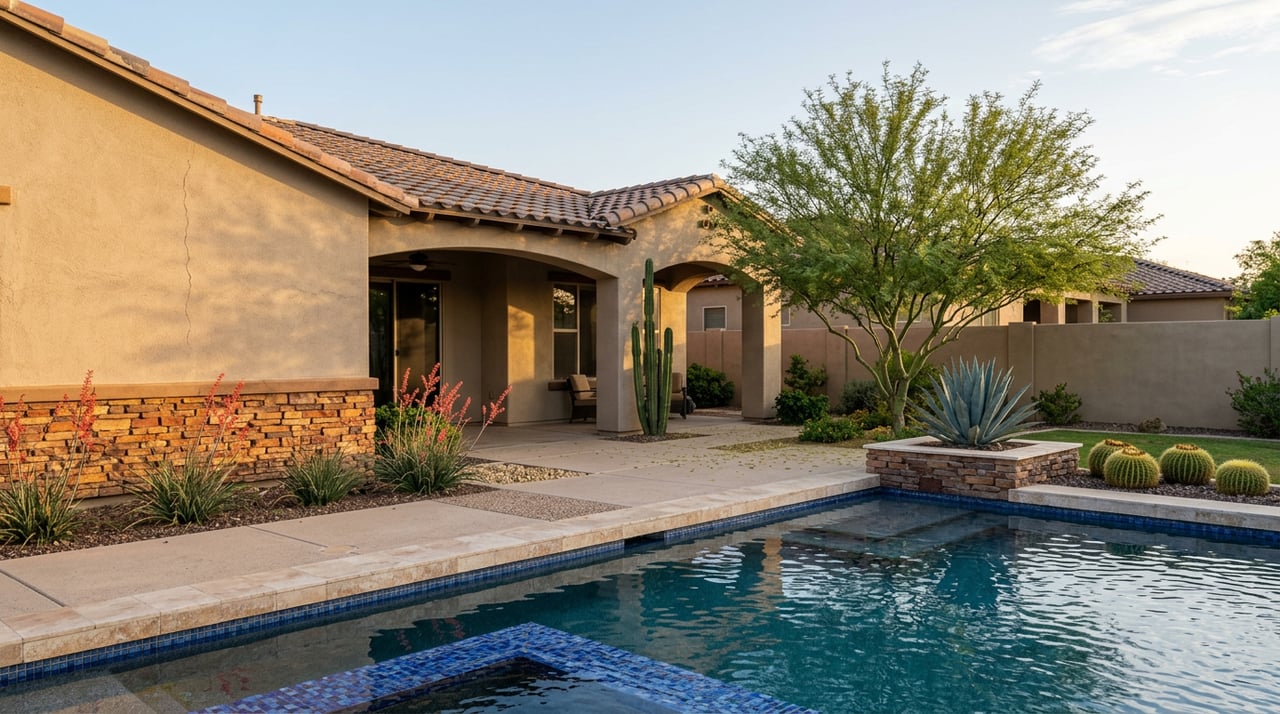
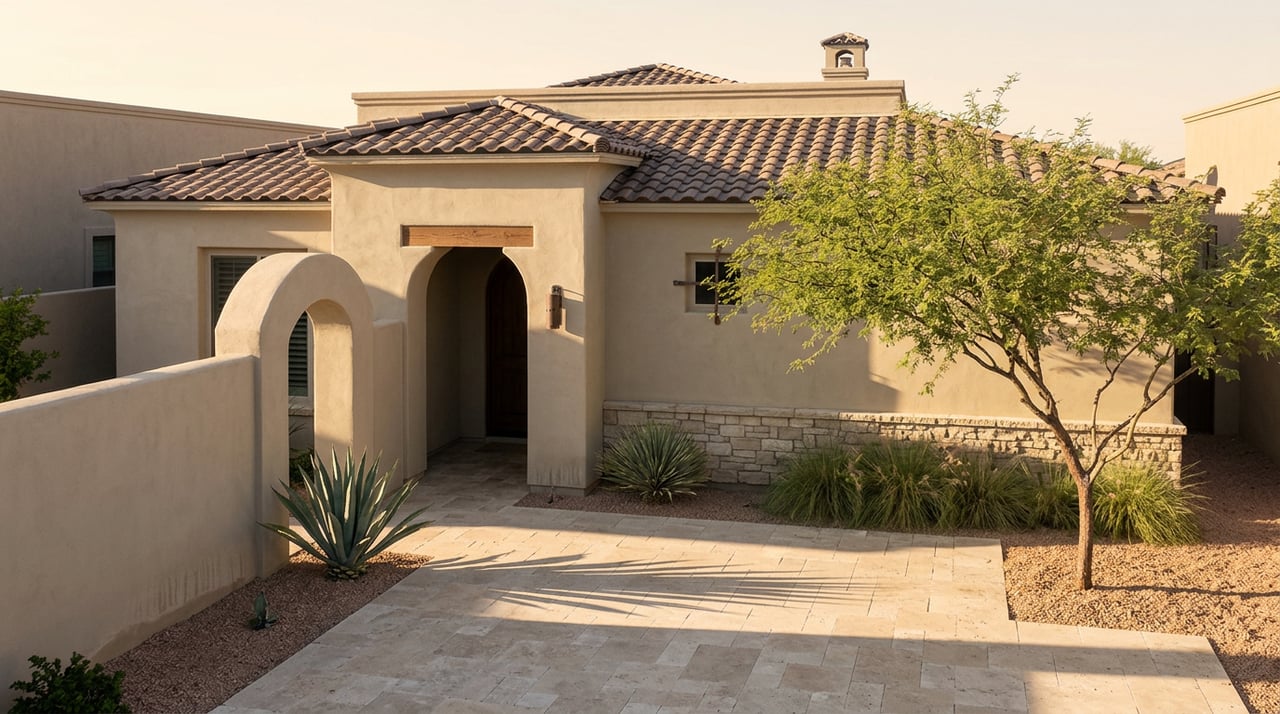
Litchfield Park offers a wider housing mix than many people assume. According to city planning documents, the local inventory includes townhouses, patio homes, garden apartments, and single-family detached homes ranging from smaller starter homes to estate-sized lots.
That variety gives buyers a few different entry points into the market. It also helps explain why the community appeals to a mix of residents, from people seeking lower-maintenance living to those looking for larger lots and more established surroundings.
Older Homes and Newer Communities
Much of the city’s housing dates to the middle of the prior century, and that older housing stock is often paired with mature landscaping. This is a big part of the resort-village atmosphere that gives Litchfield Park its distinct personality.
At the same time, the area is not frozen in the past. The city identifies newer communities such as the Village at Litchfield Park and Cachet at the Wigwam, along with ongoing projects like Litchfield Square and Rancho La Loma that may shape future housing choices and amenities.
Rentals Are Available Too
If you are not ready to buy, Litchfield Park does offer rental options. City planning materials note a reasonable selection of rental housing in condominiums, townhomes, patio homes, and single-family detached homes.
That can make the area more accessible for relocators and buyers who want to test the community before purchasing. In a smaller city with a strong owner presence, having that range matters.
What the Numbers Suggest About the Market
Current Census figures show an 84.8% owner-occupied housing rate in Litchfield Park. The median owner-occupied home value is $577,000, median gross rent is $1,922, and median household income is $126,250.
Taken together, those figures point to a relatively stable, owner-heavy housing profile with higher incomes than many surrounding areas. For buyers, that may signal a market where long-term ownership is common and neighborhood upkeep tends to reflect that stability.
Who Litchfield Park Often Fits Best
Litchfield Park can be a strong fit if you want a community that feels intentional rather than sprawling. It may appeal to you if you value mature landscaping, public parks, resort-adjacent amenities, local events, and a housing mix that includes both established homes and newer options.
It can also work well if you want West Valley access without giving up a quieter setting. The city’s compact size, community identity, and evolving downtown make it attractive for relocators, move-up buyers, downsizers, and sellers trying to understand what makes this market different.
Things To Keep in Mind Before You Move
Every move comes with tradeoffs, and Litchfield Park is no different. Its small size is part of its appeal, but it also means you should look closely at whether a home is inside the city limits, how close it is to the parks or resort core you care about, and how its location affects your daily drive.
You should also compare older homes and newer communities with care. In a market like this, home style, lot size, updates, and exact location can make a big difference in both lifestyle and value.
Why Local Guidance Helps Here
Litchfield Park is a small market, but it is not a simple one. The mix of historic character, mailing-address confusion, owner-heavy housing, and evolving development means you benefit from working with someone who understands both the city itself and the larger West Valley context.
If you are buying, selling, relocating, or handling a more sensitive property situation, local guidance can help you narrow in on the right neighborhoods, price points, and timing. That kind of clarity matters even more in a community where small location differences can have an outsized impact.
If you are thinking about buying or selling in Litchfield Park, or you simply want a clear picture of how this market fits your goals, Russell Harris can help you make sense of the details and move forward with confidence.
FAQs
What is daily life like in Litchfield Park, AZ?
- Daily life in Litchfield Park tends to feel calm, park-centered, and resort-adjacent, with local events, outdoor recreation, and a small-city layout shaping the experience.
What types of homes are available in Litchfield Park?
- Litchfield Park includes townhouses, patio homes, garden apartments, rentals, and single-family homes ranging from smaller houses to estate-sized properties.
Is Litchfield Park a small community?
- Yes. Litchfield Park is a compact city with 6,727 residents and 3.28 square miles of land, which contributes to its intimate, village-style feel.
What parks and recreation options are in Litchfield Park?
- The city has multiple public parks and recreation amenities, including a heated lap pool, wading pool, therapeutic spa, tennis courts, basketball courts, and a weight room.
What is the commute like from Litchfield Park?
- Commutes are typically West Valley oriented, with access near I-10 and between Loop 101 and Loop 303, and the reported mean travel time to work is 25.9 minutes.
Is all property with a Litchfield Park address inside the city?
- No. City planning materials note that some properties with a Litchfield Park mailing address are outside the actual city limits, so it is important to verify a property’s location.