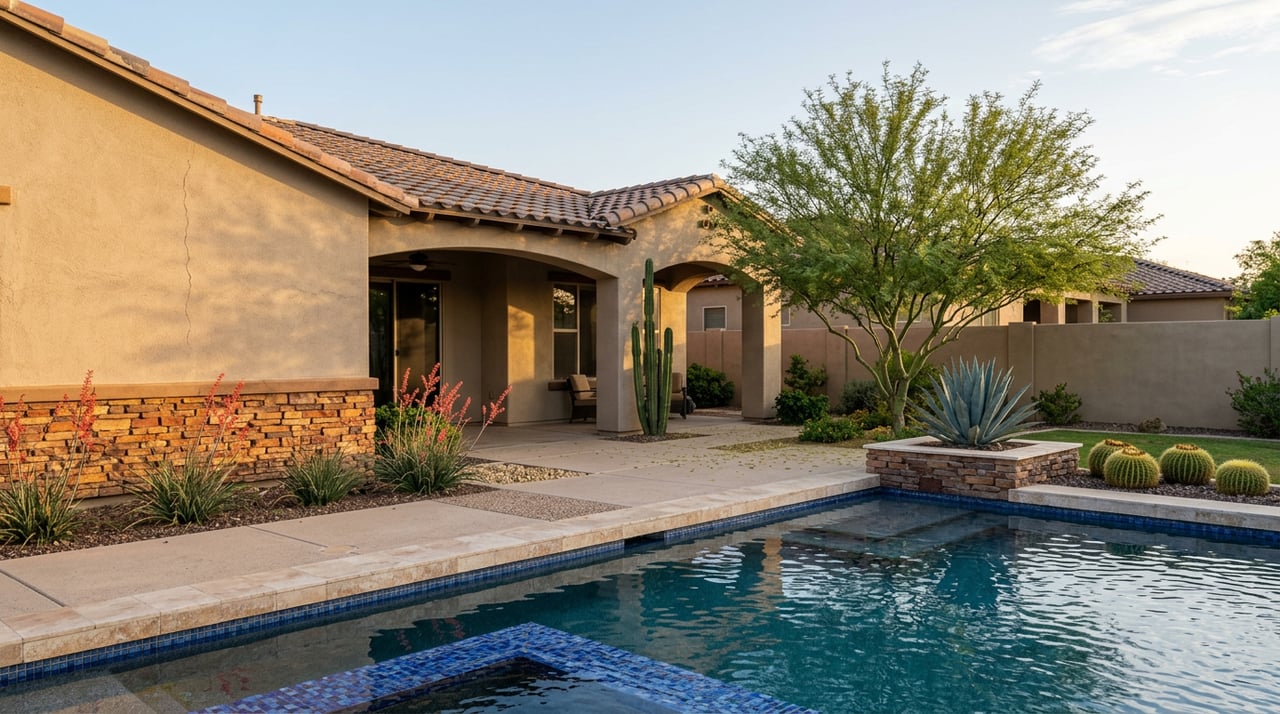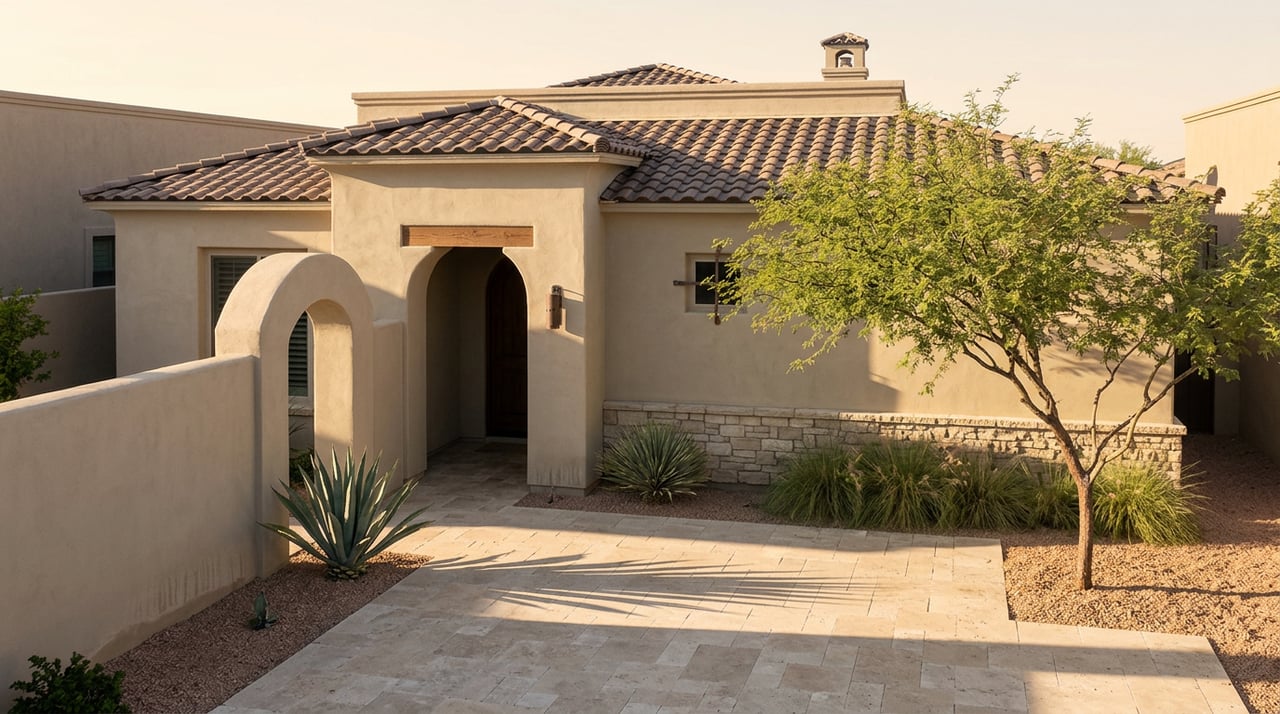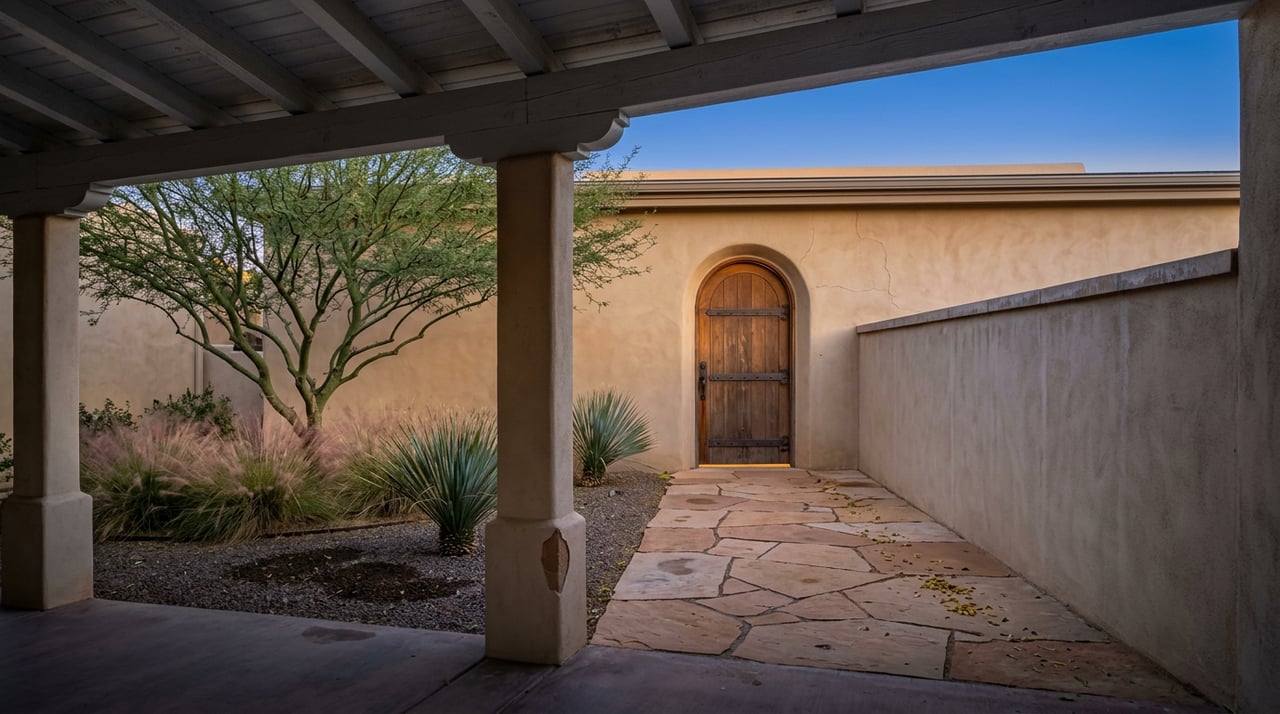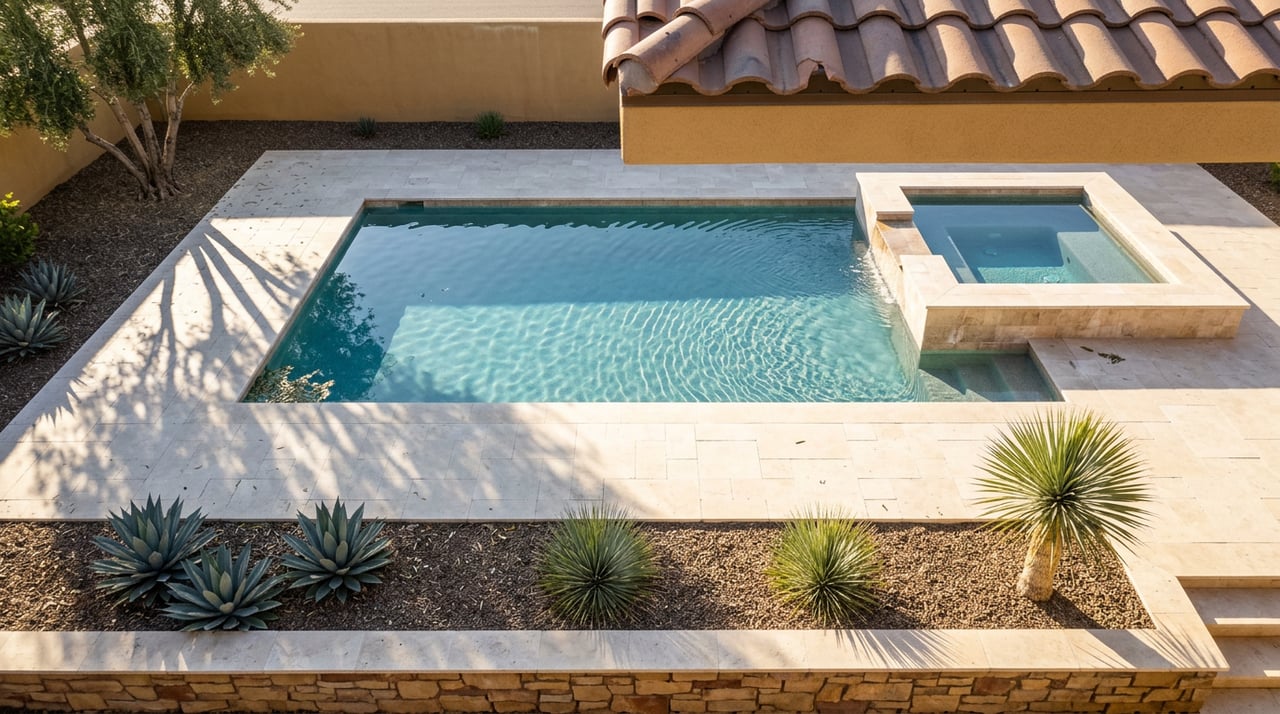
Scottsdale can look like an easy flip market from a distance. High prices, strong name recognition, and steady buyer interest can make the opportunity feel obvious. But once you get into the numbers, you quickly see that Scottsdale flips usually depend on tight underwriting, realistic renovation planning, and a clear resale strategy. If you are investing from Phoenix or evaluating Scottsdale from out of state, this guide will help you focus on the basics that matter most. Let’s dive in.
Why Scottsdale flips need a different approach
Scottsdale does not behave like a typical volume-driven investor market. The city has a high share of owner-occupied housing, with an owner-occupied rate of 67.0%, and its occupied housing stock is heavily weighted toward detached homes. That matters because your likely resale buyer is often an end user, not just another investor doing a rental analysis.
The city’s housing outlook also supports continued demand for homes that are ready for occupancy. Scottsdale’s 2025 Housing Needs Assessment projects demand for 6,416 housing units from 2025 through 2029, including 4,363 owner-occupied units. For flippers, that reinforces a simple point: homes that feel clean, functional, and move-in ready can appeal to real resale demand.
Scottsdale also has an older housing base. According to the city’s housing analysis, 72% of housing was built between 1960 and 1999, while only 22% was built in 2000 or later. That creates opportunity, but it also means many properties come with dated layouts, older systems, and deferred maintenance that can expand your rehab budget fast.
Scottsdale market numbers to watch
Current market conditions are another reason to stay disciplined. In April 2026, Scottsdale single-family homes had a median sales price of $1,240,500, an average sales price of $1,689,470, 78 days on market, and 5.3 months of inventory. Townhomes and condos had a median sales price of $500,000, 87 days on market, and 7.1 months of inventory.
Those numbers tell you two important things. First, this is a premium market with room for value creation. Second, your holding time and resale pricing matter because inventory is not so tight that buyers must accept an overpriced flip.
If you are used to broad Phoenix metro averages, be careful. Scottsdale pricing and pace can differ enough that city-specific comps and neighborhood-level positioning matter much more than regional headlines.
Best property types for a Scottsdale flip
For most investors, older detached homes are the clearest fit. Scottsdale’s housing mix is dominated by single-family detached properties, especially among owner-occupied homes. That makes older detached inventory the most natural place to look for cosmetic or layout-driven value-add opportunities.
This does not mean condos and townhomes never work. It means the buyer pool and exit strategy can be different. The city’s housing analysis shows renter-occupied housing is much more likely to be attached, while owner-occupied housing is much more likely to be detached, so attached products may come with different pricing pressure and buyer expectations.
In practical terms, detached flips often offer a more direct resale path to owner-occupant buyers. Attached homes may require closer review of monthly costs, design limitations, and resale competition within the same community.
Why older homes create opportunity
Many Scottsdale flip candidates are not distressed in the classic sense. They may simply be outdated, lightly maintained, or designed for an earlier era. That can create a useful spread if you buy well and improve the property in a way that matches nearby comparable sales.
Older homes can also come with more renovation variables. Floorplans, systems, exterior elements, and site conditions may all need attention. That is why your initial scope should be grounded in what the property needs to compete, not in a wish list of upgrades.
When attached housing needs extra caution
If you are considering a condo or townhome, look closely at the practical limits of the project. Buyer expectations may differ from those for detached homes, and HOA or private covenant restrictions can affect what you can change even when a city permit is not required.
That makes attached flips more dependent on details. A project that works on paper can get squeezed if renovation flexibility is limited or if resale competition is high inside the same development.
Renovation scope can make or break the deal
In Scottsdale, one of the biggest mistakes investors make is underestimating the difference between a cosmetic rehab and a permit-heavy project. Cosmetic work is usually easier to schedule and budget. Structural changes, additions, wall moves, and system changes can push your timeline and carrying costs higher.
The city requires building permits for many types of construction work, including additions, walls and fences, retaining walls, accessory buildings, pools, patio covers, carports, room additions, and exterior alterations. Electrical, plumbing, and mechanical permits are also required for wiring, plumbing or gas work, and HVAC changes.
By contrast, the city lists several items that do not require a residential permit, including paint, floor coverings, cabinets, trim, drywall repair, replacing plumbing fixtures in the same location, and re-shingling or re-tiling a roof when the same material is used. Even then, private CC&Rs may still apply.
Scottsdale permits and timeline basics
Permit planning should be part of your underwriting from day one. If your scope includes moving walls or adding electrical or plumbing features, you should assume permitting is part of the job. Work completed without a required permit can be fined at double the permit fee.
Timing matters too. Scottsdale states that after a permit is issued, the first inspection must occur within 180 days or the permit expires. Each following inspection must also occur within 180 days of the previous inspection.
For a flip, this means delays are not just annoying. They can affect your financing, taxes, utilities, insurance, and final resale window. The larger the scope, the more your timeline discipline matters.
Larger projects bring more requirements
Bigger projects may trigger extra layers of review. Scottsdale requires a dust-control permit when more than one-tenth of an acre of soil is disturbed. Haul permits are required for hauls of 1,000 cubic yards or more.
If your plan involves additions, site work, or major demo, build that into your cost and schedule assumptions early. A deal that looks strong as a cosmetic flip may feel very different once site and permit requirements are added.
ADUs and expansion plans need extra review
Some investors look at older Scottsdale homes and immediately think about adding more living area. That can work in certain cases, but you need to know the local rules before you build your budget around that idea.
Scottsdale adopted ADU and middle-housing ordinances in 2025 to comply with state law, but the rules come with location exclusions, service requirements, and possible private covenant or HOA limitations. The city also states that an ADU cannot be sold separately from the main dwelling.
There is another important detail for rental-related use. The owner must live on the property if the ADU is rented or used as a short-term rental. For a straightforward flip, that means an ADU strategy may not create the kind of resale flexibility some investors expect.
Holding costs are more than interest and utilities
In Scottsdale, holding costs are shaped by both time and local tax treatment. The longer your project takes, the more exposed you are to carrying costs across financing, maintenance, insurance, utilities, and taxes. That is why permit timing and scope control matter so much.
Maricopa County notes that the Treasurer sends property tax bills for the county, city, school districts, special taxing districts, and the state, while the Assessor determines assessed values. The tax bill is calculated by multiplying assessed value by the tax rate set in August, with bills issued in September.
For investors, that means tax timing is part of the ownership calendar, not just a closing statement detail. It is one more reason to model your hold realistically instead of assuming a quick turn.
Scottsdale tax issues flippers should not ignore
Scottsdale’s own tax guidance is especially important for flips. The city says its transaction privilege tax rate is 1.7% effective July 1, 2025, and its combined rate for most taxable activities is 8.0%. Its rate chart also separately lists Contracting - Speculative Builder at 1.70%.
The key takeaway is not to guess. Construction-related tax treatment can depend on the activity involved, and that can affect your net profit if you ignore it until the end of the project.
The city’s owner-builder statement is a direct warning for flippers. It says that if an owner-builder sells improved or partially improved real property, tax may be due from the owner, generally calculated on gross selling price less applicable deductions and credits for taxes paid by contractors. That issue should be reviewed early, not after your resale is already under contract.
How to position the finished product
In a premium market like Scottsdale, your exit is not just about updating the property. It is about matching the finish level, layout decisions, and presentation to the nearby comparable sales and the likely buyer profile.
Scottsdale’s community survey reports high resident satisfaction and strong perceptions of public safety. Combined with the city’s owner-occupant-heavy housing mix and premium pricing, this supports a practical approach for flippers: buyers are likely to respond to a polished, coherent, move-in-ready home more than to the cheapest possible renovation.
That does not mean you should over-improve every project. It means your finish selections should fit the neighborhood and price tier. Generic investor-grade choices may not support the strongest resale in a market where presentation and end-user appeal carry real weight.
A simple Scottsdale flip checklist
Before you move on a Scottsdale project, keep these basics in front of you:
- Underwrite using Scottsdale and nearby neighborhood comps, not broad metro averages
- Focus on older detached homes first when you want the clearest owner-occupant resale path
- Separate cosmetic scopes from permit-heavy scopes early
- Confirm what requires permits before finalizing your rehab budget
- Build timeline cushions around inspections and permit activity
- Review tax treatment early, especially speculative-builder and owner-builder issues
- Match your finish level to the local price tier and expected buyer
- Treat holding time as a major variable, not a minor detail
Scottsdale can be a strong flip market, but it rewards precision more than speed. If you buy with discipline, scope the rehab realistically, and plan your resale around local demand, you give yourself a much better chance of protecting margin in a market where mistakes can get expensive fast.
If you are weighing a Scottsdale flip, need help pressure-testing value, or want a local read on resale positioning, Russell Harris can help you think through the numbers and the next step with a steady, experienced approach.
FAQs
What makes Scottsdale different from other Phoenix-area flip markets?
- Scottsdale has a high share of owner-occupied homes, a large number of detached properties, an older housing stock, and market conditions where holding time and resale pricing can strongly affect profit.
What type of Scottsdale property is usually best for a flip?
- Older single-family detached homes often offer the clearest value-add path because they align well with Scottsdale’s owner-occupant-heavy housing mix.
What Scottsdale renovation work usually needs a permit?
- Additions, walls and fences, retaining walls, accessory buildings, pools, patio covers, carports, room additions, exterior alterations, and many electrical, plumbing, mechanical, and HVAC changes generally require permits.
What Scottsdale rehab work usually does not need a permit?
- Cosmetic or like-for-like items such as paint, floor coverings, cabinets, trim, drywall repair, replacing plumbing fixtures in the same location, and re-shingling or re-tiling a roof with the same material are listed by the city as not requiring a residential permit.
What happens if you do unpermitted work on a Scottsdale flip?
- Scottsdale states that work completed without a required permit can be fined at double the permit fee.
How long can a Scottsdale permit stay active?
- After issuance, the first inspection must occur within 180 days or the permit expires, and each later inspection must also occur within 180 days of the previous one.
What Scottsdale tax issue should flippers review early?
- Investors should review Scottsdale’s transaction privilege tax guidance and the city’s owner-builder and speculative-builder rules early because tax may be due when improved or partially improved property is sold.
Are ADUs a simple value-add option for Scottsdale flips?
- Not always. Scottsdale’s ADU rules include location exclusions, service requirements, possible private covenant or HOA limits, and the rule that an ADU cannot be sold separately from the main dwelling.