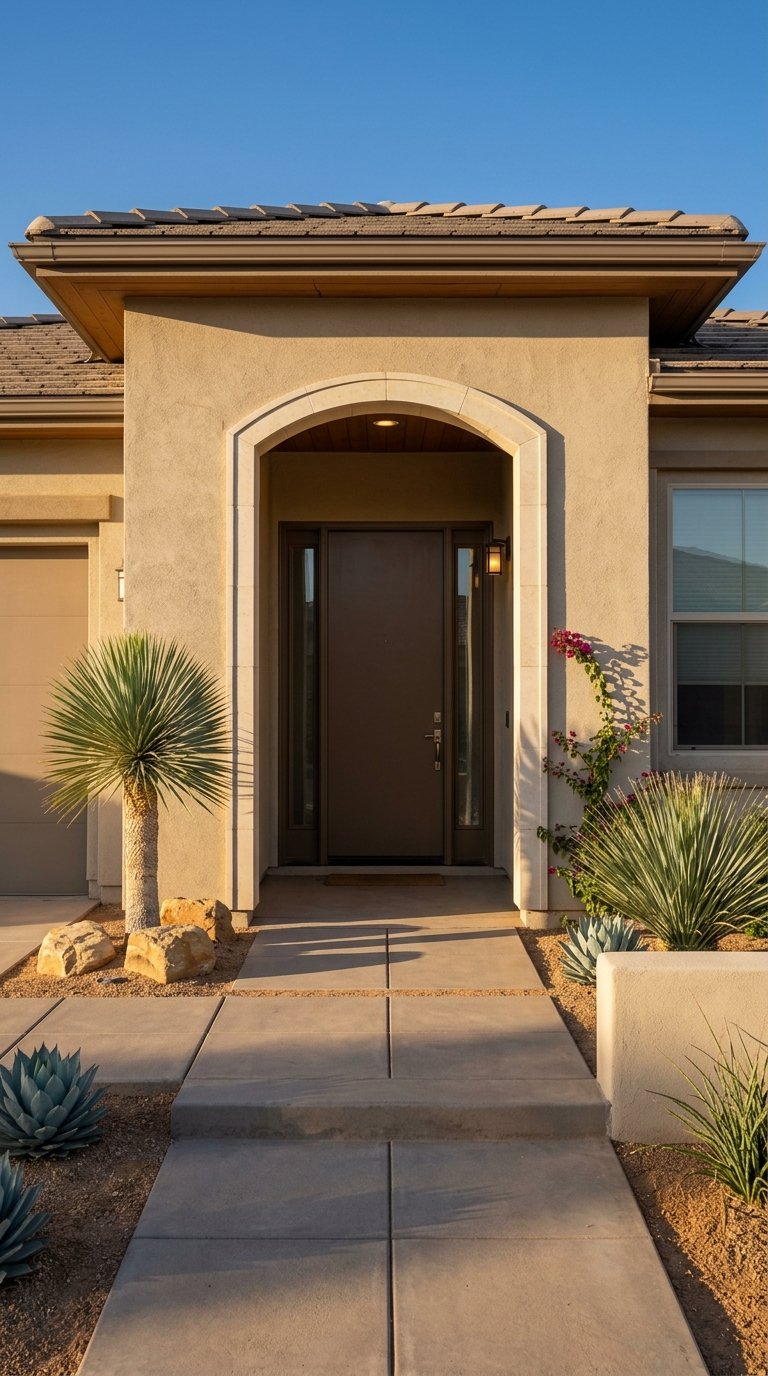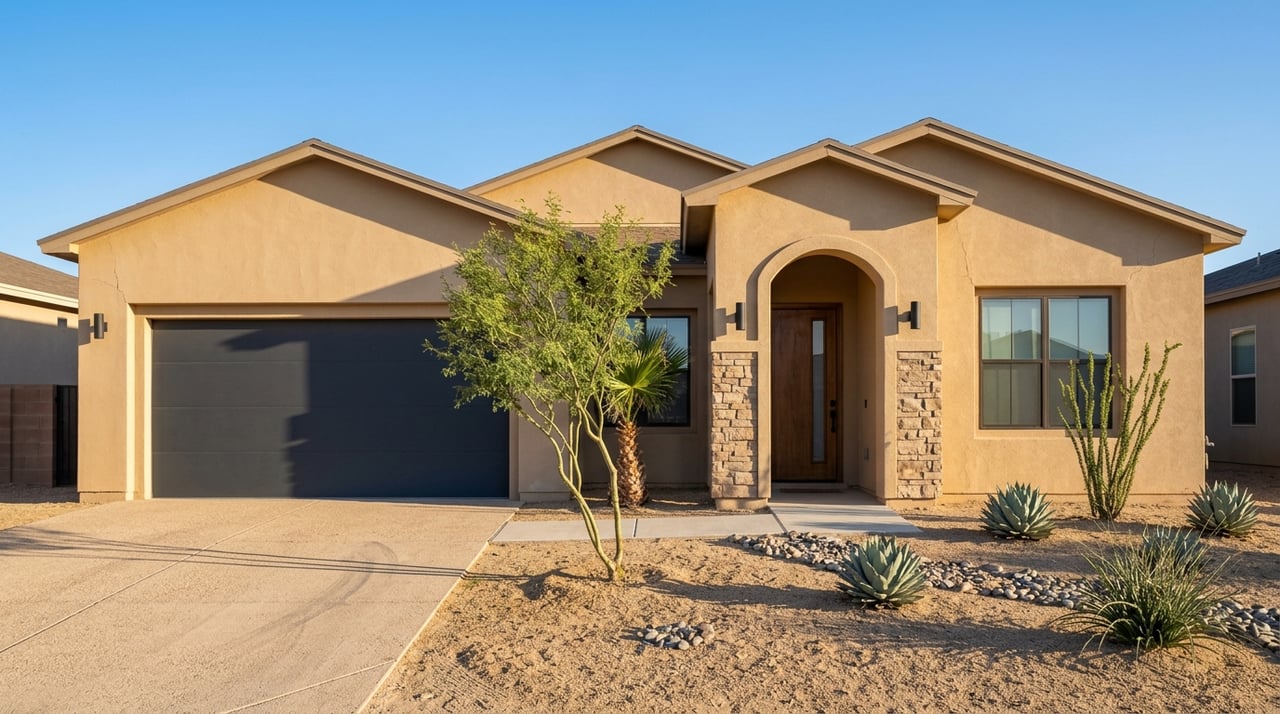
Losing a loved one is hard enough. Trying to sell their Glendale home from another state can make the process feel even heavier, especially when you are dealing with probate deadlines, paperwork, vendors, and a vacant property from miles away. The good news is that an out-of-state sale is absolutely workable when you understand how title passed, who has authority to act, and what steps come next. Let’s dive in.
Start With Title and Probate
If you inherited a home in Glendale, your first question is not where you live. It is how the property passed at death.
Under Arizona law, a beneficiary deed can transfer real estate directly to a named beneficiary when the owner dies, subject to any existing liens or encumbrances. If that happened, the home may pass outside the full probate process.
If the home is still titled in the decedent’s name, probate may be required before the property can be sold. Maricopa County explains that probate is the court process used to appoint a personal representative and settle the estate.
When informal probate may apply
Maricopa County notes that informal probate is generally used when there is an original will that is not being contested, or when there is no will and the estate still qualifies for informal handling. The county’s forms packet also says informal appointment generally applies when the person died more than 120 hours ago and less than 2 years ago, subject to statutory exceptions.
When a small-estate affidavit may work
Arizona also allows a small-estate affidavit path for some Arizona real property. According to Maricopa County’s probate materials, that option may apply if the assessed value of the Arizona real property, minus liens, does not exceed $300,000 and at least 6 months have passed since death.
When ancillary probate may be needed
If the person who died lived in another state but owned real estate in Arizona, Arizona’s ancillary administration rules may apply to the Glendale property. In plain terms, the property’s location matters more than the heirs’ location.
Confirm Ownership Before Listing
Before you make repairs, clean out the home, or talk about timing, confirm the current title status. That step can prevent major delays later.
In Maricopa County, recorded documents can be checked through the county’s recorded-document search, and property details can also be reviewed through the assessor’s parcel tools. For out-of-state heirs, that makes it practical to verify whether the property is still in the decedent’s name or whether a transfer document has already taken effect.
Know Who Can Sell the Home
In many inherited property sales, the person with legal authority is the personal representative, often called the PR. Once appointed, the PR has broad authority under Arizona law to manage estate property, take possession or control of assets, preserve the estate, and sell or lease real property for the estate’s benefit unless the will or a formal proceeding limits that power.
That matters because buyers, title companies, and agents need to know who has the right to sign. If you are an heir but have not been given legal authority, you may not be able to move forward with a sale yet.
One important exception
If the probate case is supervised, sales of real property require court confirmation. That can affect timing and should be identified early.
Understand the Probate Timeline
One of the biggest frustrations for out-of-state families is assuming the home can be sold right away. In Arizona, the process has a structure, and some deadlines cannot be skipped.
Maricopa County’s informal probate packet outlines several key milestones after the PR is appointed:
- Within 30 days after appointment, the PR must notify interested persons
- The PR must notify known creditors
- The PR must publish notice to creditors once a week for 3 weeks in Maricopa County
- Within 90 days, the PR must prepare an inventory and appraisement showing value, character of property, and liens
For estate closing, Maricopa County says the estate can generally be closed after the final accounting and deed of distribution are filed, and at least 4 months have passed since both the PR appointment and the first publication of the creditor notice.
A realistic planning window
For many families, the sale timeline includes:
- Securing authority and access to the property
- Completing the required notices
- Preparing the inventory and appraisement
- Managing listing prep and marketing
- Closing the sale while staying within probate requirements
Remote tools can make the logistics easier, but they do not remove the probate deadlines.
Prepare the Glendale Home From Out of State
A vacant home needs attention, even when no one is living there. Arizona law places a duty on the personal representative to take reasonably necessary steps to manage, protect, and preserve estate property.
In practice, that often means building a local team to handle the details you cannot manage in person. For a Glendale sale, that may include:
- Access coordination
- Cleanout and junk removal
- Minor repairs
- Landscaping upkeep
- Pool care
- Photography
- Staging coordination
- Ongoing communication with vendors and buyers
For out-of-state families, this is where a hands-on local Realtor can make a major difference. Instead of flying back and forth for every small issue, you can approve decisions remotely while the local process keeps moving.
Keep Property Taxes on Your Checklist
Even if the home is vacant, property taxes do not pause. Maricopa County guidance says property taxes are billed in September and are generally paid in two installments due October 1 and March 1 of the following year.
The Assessor also notes that the Treasurer, not the Assessor, collects tax payments. So if you are handling an inherited Glendale home from out of state, make sure someone is actively tracking bills, due dates, and any risk of delinquency while the property is being prepared and marketed.
Remote Closing Is Very Possible in Arizona
Many sellers assume they must travel to Arizona for closing. In many cases, that is not necessary.
Arizona allows remote notarization using audio-visual technology, and the Arizona Secretary of State says the notary must be physically located in Arizona. That process can allow an out-of-state seller to sign required documents without coming to Glendale in person.
Maricopa County’s Recorder’s Office also accepts digital recording, and the county says that more than 90% of documents are recorded digitally. That makes remote closing much more practical than many families expect.
Recording details still matter
For a deed to be accepted for recording in Maricopa County, it must include either an Affidavit of Property Value or the correct exemption code. Because the Recorder’s Office does not provide legal advice or forms, the deed package should be prepared carefully by the title company or attorney handling the sale.
Watch for Family Buyouts and Related-Party Sales
Sometimes one heir wants to buy the Glendale home from the estate. That can work, but it needs extra care.
Arizona law says certain sales or encumbrances involving the personal representative, the PR’s spouse, agent, or attorney can be voidable unless they are authorized by the will or contract or approved by the court after notice. If a family member or someone connected to the PR wants to buy the property, that issue should be reviewed early.
This is one of the clearest times to involve a probate attorney before the sale moves too far.
Plan for Taxes and Distribution
Selling an inherited property can have tax implications, and those questions often show up near closing when families are already stretched thin. A little planning can reduce surprises.
The IRS states that inherited property basis is generally the fair market value on the date of death, or an alternate valuation date if one is properly elected. Arizona’s Department of Revenue also has fiduciary and estate tax procedures, so a CPA should confirm whether the estate needs a final fiduciary filing or tax certificate before distribution.
That does not mean every estate will have the same tax outcome. It does mean you should get answers before proceeds are distributed.
Build the Right Local Team
When you are selling an inherited home in Glendale from out of state, the process is smoother when each role is clear.
A strong team often includes:
- Probate attorney for title questions, disputes, ancillary probate, supervised probate, or related-party sales
- CPA for basis questions, fiduciary filings, and estate tax coordination
- Local Realtor for pricing, listing prep, vendor coordination, marketing, and transaction management
If your goal is to keep stress down, this team approach matters. You do not need to carry every moving part on your own.
Why Local Guidance Matters in Glendale
Every inherited sale has legal and practical steps, but local execution is what keeps the property from sitting idle. In Glendale, that means understanding county probate procedures, knowing how to coordinate digital signing and recording, and having reliable people on the ground to manage the home.
If you are handling an estate from another state, clear communication and step-by-step planning are just as important as pricing. The right support can help you move from uncertainty to a clean, well-managed sale.
If you need a steady local guide for a probate or inherited property sale in Glendale, Russell Harris offers hands-on support with the process, vendor coordination, pricing, and transaction management so you can move forward with clarity.
FAQs
Do you need probate to sell an inherited home in Glendale?
- It depends on how title passed. If the property transferred by beneficiary deed, probate may not be needed for that transfer, but if the home is still in the decedent’s name, probate or another authorized process may be required.
Can you sell a Glendale inherited home if you live out of state?
- Yes. Arizona remote notarization and Maricopa County digital recording can make an out-of-state sale workable, but the correct legal authority must be in place first.
Who can sign the sale documents for an inherited home in Maricopa County?
- In many estate sales, the appointed personal representative signs on behalf of the estate, unless title passed another way or the court requires a different process.
How long does probate take before an inherited Glendale home can be sold?
- Timing depends on the estate, but Maricopa County materials outline notice and inventory deadlines and say the estate can generally be closed only after key filings are completed and at least 4 months have passed from required milestones.
Can one heir buy the inherited house from the estate in Arizona?
- Possibly, but related-party and conflict-of-interest rules may apply. If the buyer is connected to the personal representative, early review by a probate attorney is wise.
What should you do first when inheriting a home in Glendale?
- Start by confirming how title passed, checking whether the property is still in the decedent’s name, and identifying who has legal authority to act before preparing the home for sale.